
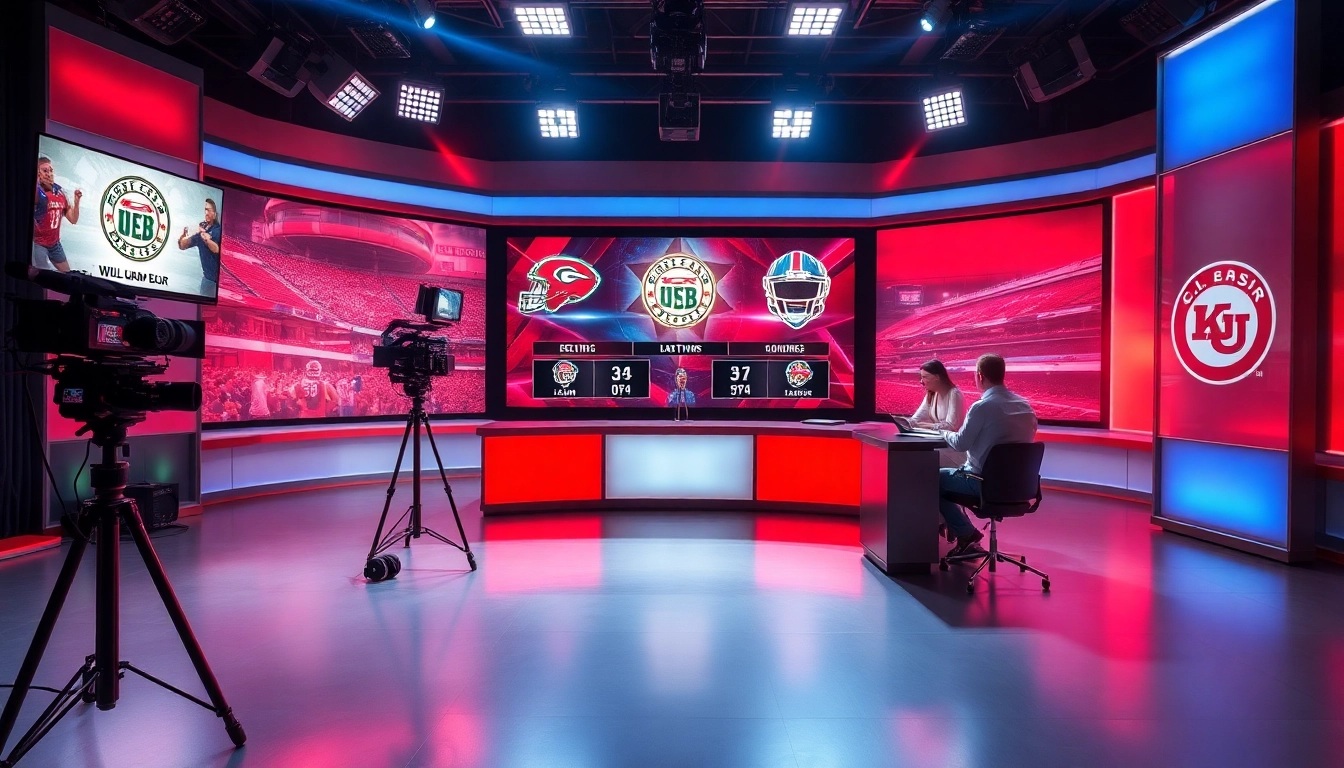
Understanding the Basics of Sports Broadcasting
What is Sports Broadcasting?
Sports broadcasting refers to the dissemination of sports content, including live games, analysis, highlights, and news through television, radio, and digital platforms. It serves to connect fans with their favorite sports and events, enhancing the overall viewing experience. The evolution of technology has changed how broadcasting occurs, from traditional TVs to online streaming services, which opens new avenues for engagement. For a deeper insight into this industry, consider exploring Sports Broadcasting methodologies and trends.
Types of Sports Broadcasting Formats
Various formats are utilized in sports broadcasting, each catering to different audience preferences. Live coverage allows viewers to watch events as they unfold, providing an immersive experience. Highlights programs offer a recap of the best moments for those who may miss the live action. Analysis shows delve into statistics and game strategies, providing deeper insight into the events. Online streaming and podcasts have gained traction, appealing to the on-the-go audience. As technology advances, hybrid models are emerging, combining traditional techniques with innovative digital formats.
Key Player Roles in Broadcasting
The sports broadcasting landscape is populated by a variety of roles, each crucial to delivering content effectively. Anchors serve as the face of broadcasts, guiding the narrative and maintaining energy. Commentators provide real-time analysis of events, enhancing viewer understanding. Producers oversee the technical aspects of the broadcast, ensuring a smooth presentation. Directors manage the visual elements, crafting an engaging viewing experience. Additionally, editors play a significant role in crafting highlights and segments that capture viewer interest.
Technical Aspects of Sports Broadcasting
Essential Equipment for Quality Broadcasting
To deliver compelling content, broadcasters rely on advanced equipment. Cameras are pivotal, with high-definition models capturing real-time action with clarity. Microphones ensure clear audio reception from announcers and athletes alike. Switchers facilitate seamless transitions between multiple feeds, while graphics systems provide real-time statistics and information overlays. The integration of drones and stabilization technology enhances camera work, allowing unique perspectives that draw viewers in.
Software and Tools for Production
In the realm of sports broadcasting, various software and tools enhance content quality and production efficiency. Editing software like Adobe Premiere Pro enables quick turnover of highlight reels, while graphics software such as ChyronHego helps create engaging visuals. Streaming platforms are essential for digital broadcasting, allowing integration across multiple devices and networks. Additionally, project management tools streamline communication and workflow, ensuring all team members remain aligned for a successful broadcast.
Broadcasting Techniques to Enhance Viewer Engagement
Engaging viewers in sports broadcasting goes beyond just airing events. Techniques such as interactive audience participation—where fans can vote on game outcomes or player performances—create a two-way dialogue that keeps viewers invested. Utilizing social media platforms for real-time fan feedback can also be a game-changer. Storytelling through character-driven narratives, such as featuring athlete backstories, adds emotional depth and connection, elevating the viewing experience.
Challenges Faced in Sports Broadcasting
In-Person vs Remote Broadcasting
While in-person broadcasting allows for a richer sensory experience with ambiance and atmosphere, it incurs higher logistical costs, including travel and setup. Remote broadcasting offers flexibility but can sometimes lack the immediate connection to an event. Striking a balance between these methods is essential for hit sports networks to maintain authentic coverage while managing expenditures effectively.
Maintaining Engagement During Downtime
Sports events often include periods of downtime, such as halftime or delays due to weather. It’s essential for broadcasters to keep viewers engaged during these times. Utilizing expert commentary, behind-the-scenes footage, and relevant interviews can maintain interest. Additionally, utilizing interactive techniques, like live polls or games, can keep the audience involved and reduce the chances of them switching channels during downtime.
Adapting to Live Event Changes
Live events are inherently unpredictable; shifts in player performance, weather conditions, or crowd dynamics can significantly impact the coverage. Broadcasters must be prepared to adapt quickly, employing their knowledge of sports and technical equipment. Strategies include having backup plans for equipment failures, maintaining flexibility in the broadcast schedule, and employing a skilled team capable of reacting in real-time to unfolding events.
Insights from Successful Sports Broadcasters
Case Studies of Notable Broadcasting Teams
Analyzing the practices of successful broadcasting teams reveals valuable insights. Teams that emphasize collaboration and leverage each member's strengths often see better results. For instance, synchronized efforts between production and commentary teams lead to a cohesive broadcast narrative. Additionally, teams that incorporate audience feedback into their programming tend to foster a more dedicated viewership, demonstrating effective engagement strategies.
Interviews with Industry Experts
Gaining insights from industry experts provides a wealth of knowledge regarding best practices in sports broadcasting. These professionals emphasize embracing technology to streamline processes. They advocate for a solid understanding of audience preferences and customization of content to suit different demographic groups. Continuous skill development for all team members—from technical staff to on-air talent—is crucial for maintaining relevance in this rapidly changing industry.
Lessons Learned from Renowned Sports Events
Historical sports events offer a treasure trove of lessons for broadcasters. Analyzing coverage of pivotal moments, such as world championship games, underlines the importance of preparation and adaptability. Focusing on storytelling enhances the viewer experience, making game narratives more enriching. Furthermore, exploring the impact of digital technology, including mobile streaming options, underscores the importance of evolving with consumer behavior.
The Future of Sports Broadcasting
Emerging Technologies in Broadcasting
The future of sports broadcasting promises exciting advancements driven by emerging technologies. Virtual reality (VR) and augmented reality (AR) have begun transforming how viewers experience games, offering interactive environments that mimic stadium experiences. Artificial intelligence (AI) is utilized for data analytics, enhancing commentary and enriching viewer engagement through advanced statistics. As 5G technology becomes pervasive, the potential for real-time data delivery will revolutionize live sports coverage.
The Role of Social Media in Engagement
Social media functions as a critical tool in sports broadcasting, allowing networks to reach viewers where they are most active. Creating shareable content, such as highlight clips and memorable moments, increases a broadcast's visibility. Engaging with fans via social platforms fosters a sense of community, cultivating loyalty among viewers. Moreover, leveraging algorithms to target audiences based on preferences increases the effectiveness of promotional strategies.
Predictions for Future Trends in Sports Broadcasting
As we look to the horizon, predictions indicate a continued trend towards personalized viewing experiences in sports broadcasting. Audiences will likely demand customization, tailoring content to their specific preferences regarding commentators, game angles, and statistics. This emphasis on user experience, combined with advancements in technology, may redefine traditional broadcasting models, making adaptability crucial for success in this arena.
Frequently Asked Questions
What are the main types of sports broadcasting?
The main types include live broadcasts, highlights shows, and analytical programs, each catering to different viewer preferences.
How has technology impacted sports broadcasting?
Technology has advanced sports broadcasting significantly, enhancing image quality, facilitating interactive features, and allowing for remote coverage.
What role does social media play in sports broadcasting?
Social media enhances viewer engagement by providing shareable content, facilitating interactions, and building communities around sports events.
What are common challenges in sports broadcasting?
Common challenges include maintaining viewer interest during downtime, adapting to live event changes, and managing logistical challenges in broadcasting.
How can I get into sports broadcasting?
Starting in sports broadcasting typically involves gaining experience through internships, developing communication skills, and understanding technical aspects of media production.